
Skip to content

AI Atlas

Learn AI from a single map

A 78-lesson route from Python to large language models, in the order to learn them. Lessons are being written in Vietnamese and English, free, no account needed.

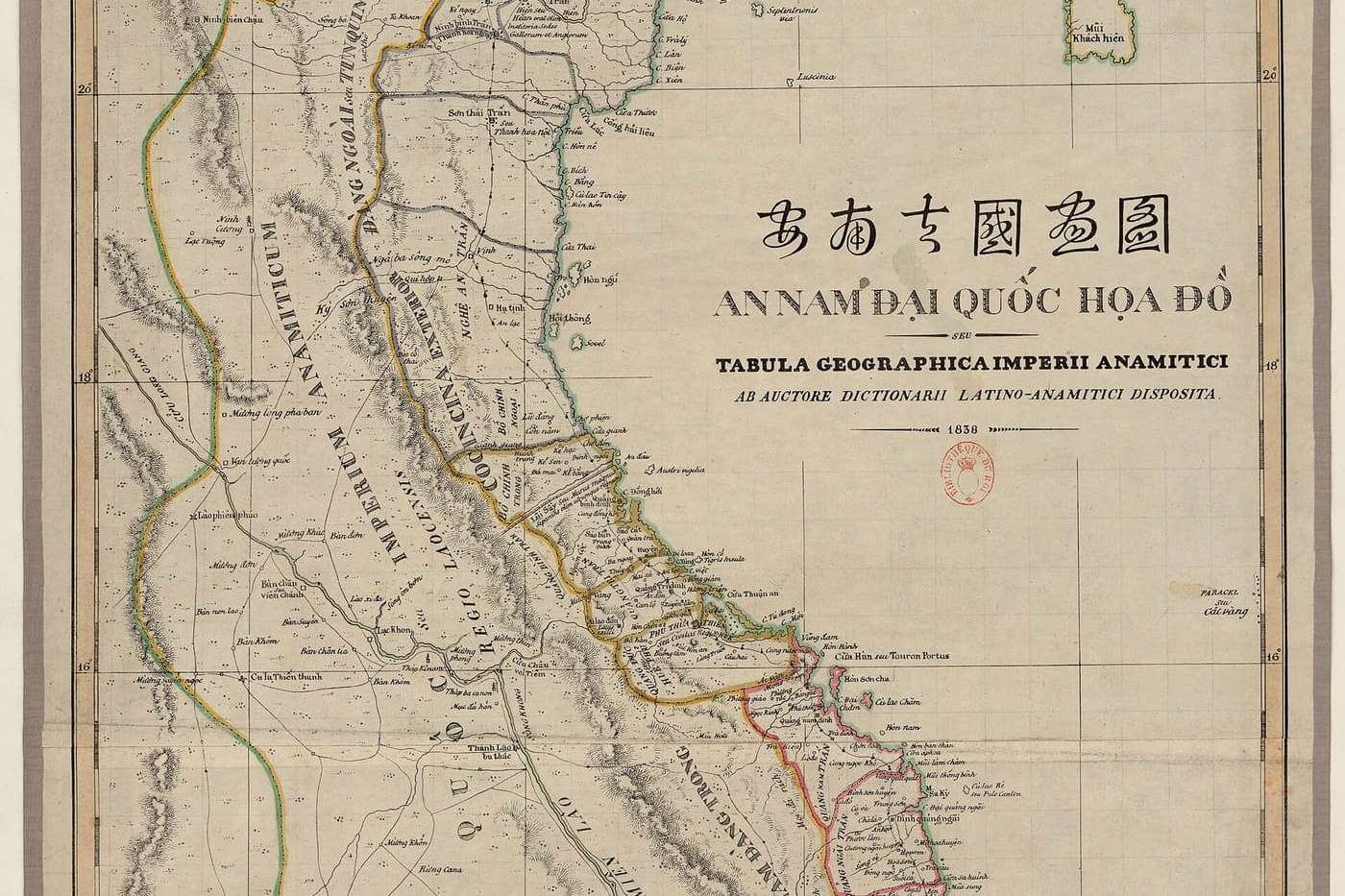
The 1838 map An Nam dai quoc hoa do, its title printed in both Chinese characters and Latin script.
An Nam dai quoc hoa do, Jean-Louis Taberd, 1838. Its title is printed in two scripts.

Seven parts, one fork

Walk through Python, Math, Machine Learning and Deep Learning in order. There the road splits three ways: language, vision, or large language models.

  1. Python

    The language every later lesson speaks.

    7 lessons

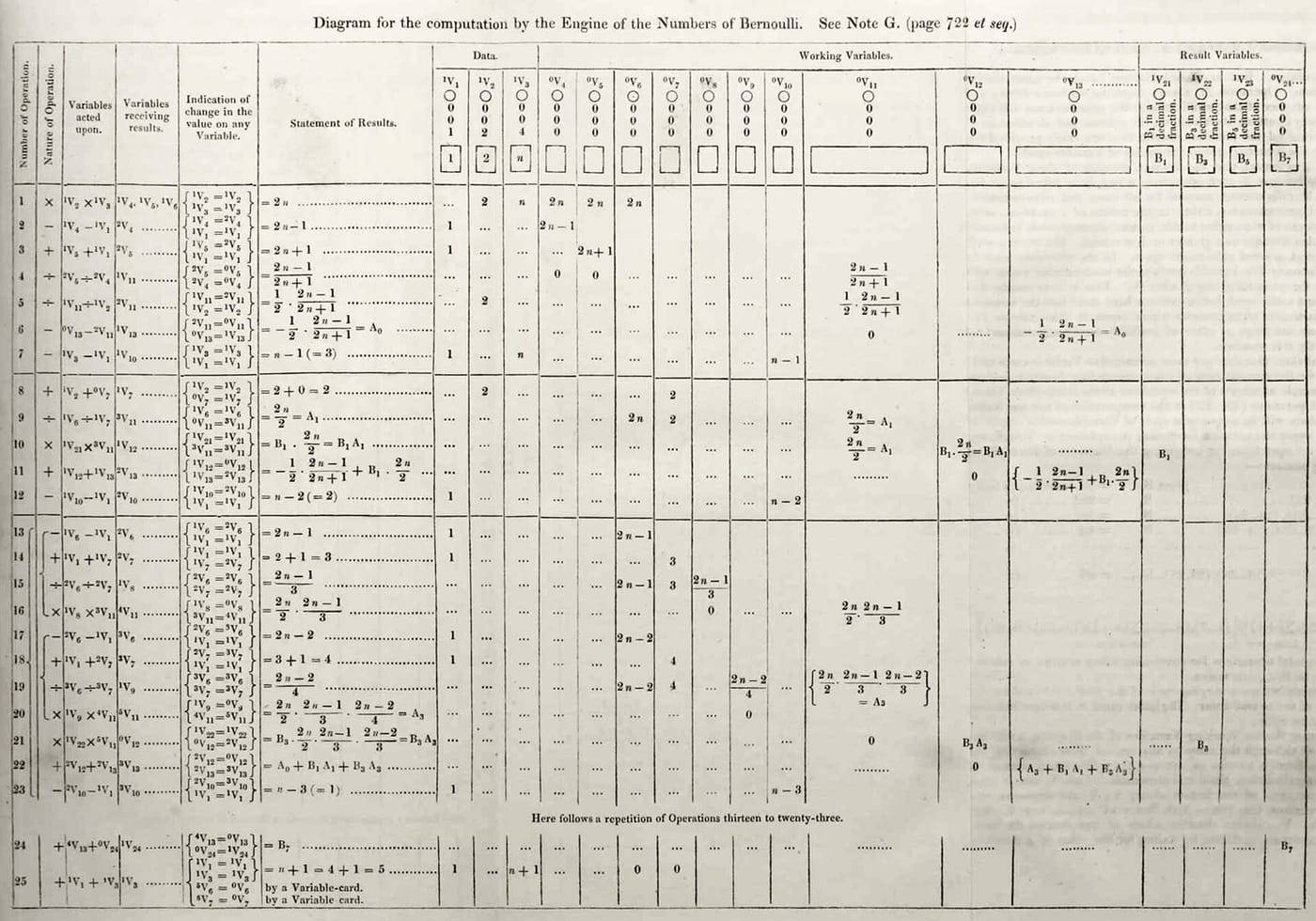
    Ada Lovelace’s table for computing Bernoulli numbers.
    Ada Lovelace’s Bernoulli table, 1843: the first published program.
  2. Math for AI

    Vectors, derivatives and probability: enough, no more.

    3 lessons

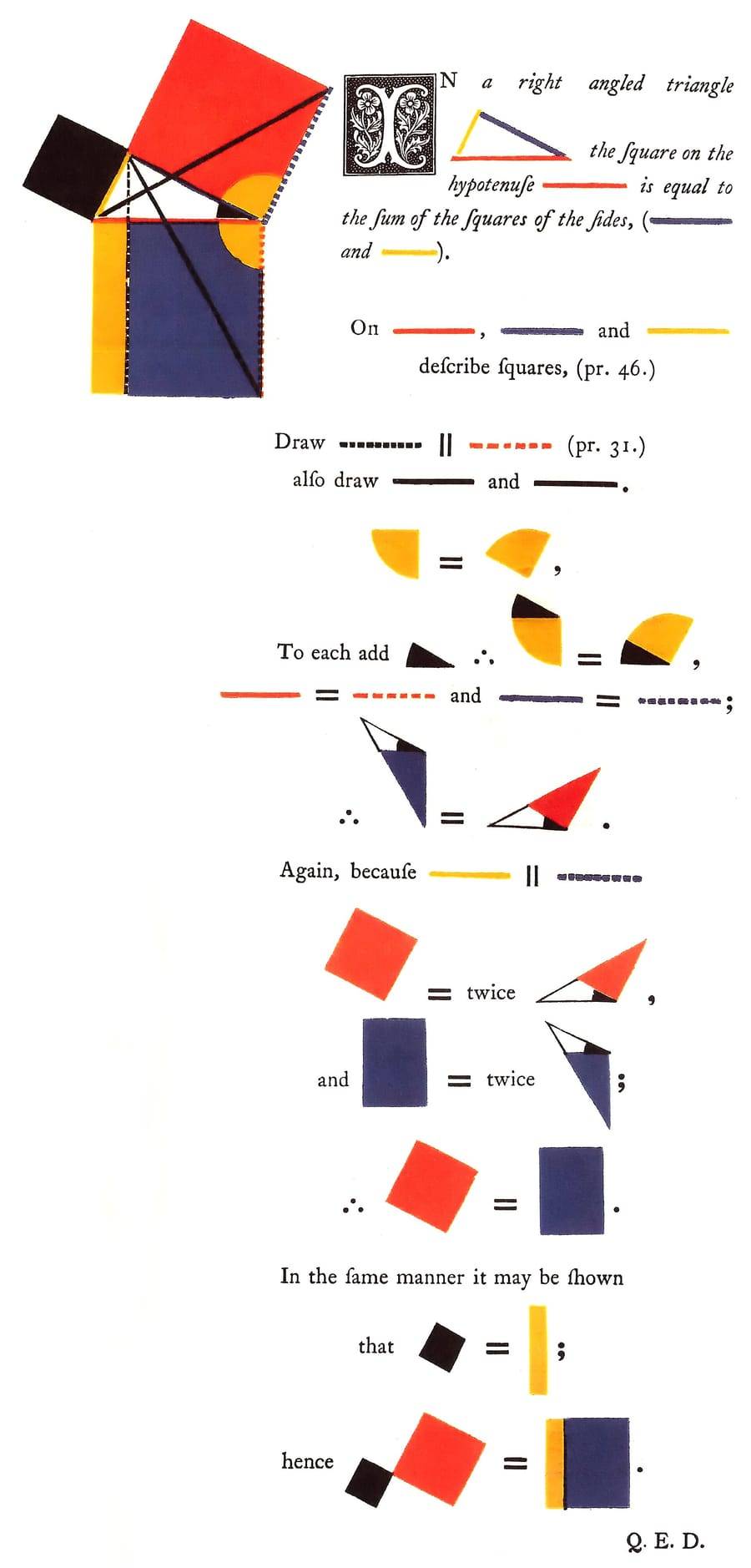
    The Pythagorean theorem drawn as red, yellow and blue squares.
    The Pythagorean theorem in Oliver Byrne’s Euclid, 1847.
  3. Machine Learning

    The first models, and how to tell where they go wrong.

    14 lessons

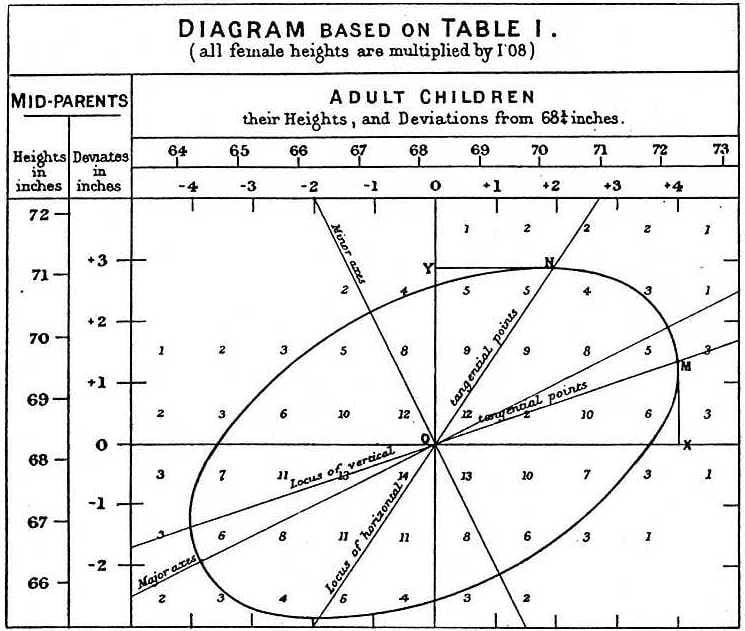
    Francis Galton’s diagram of parents’ and children’s heights, with an ellipse.
    Francis Galton’s diagram, 1886, from the paper that named "regression".
  4. Deep Learning

    Stacking layers of neurons.

    8 lessons

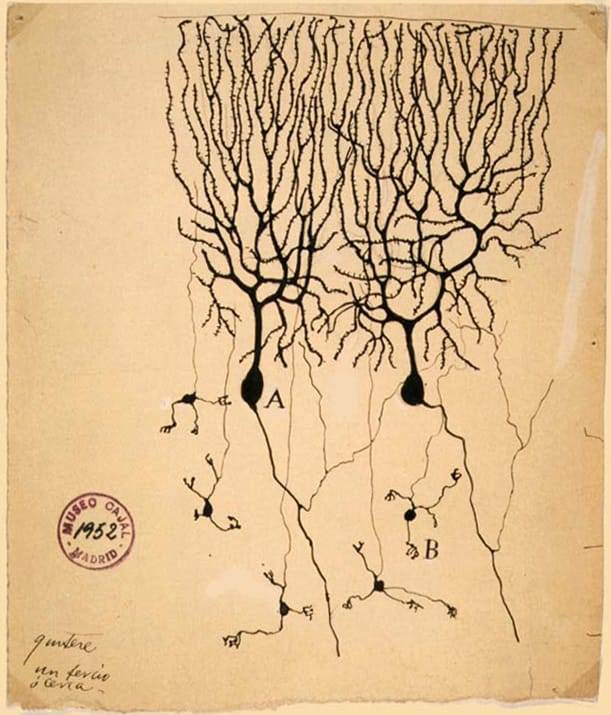
    A hand drawing of two Purkinje neurons, branching like trees.
    Purkinje cells, drawn by Santiago Ramón y Cajal, 1899.
  5. After Deep Learning, pick a branch

  6. Natural Language Processing

    Machines that read: from tokenization to BERT and GPT.

    13 lessons

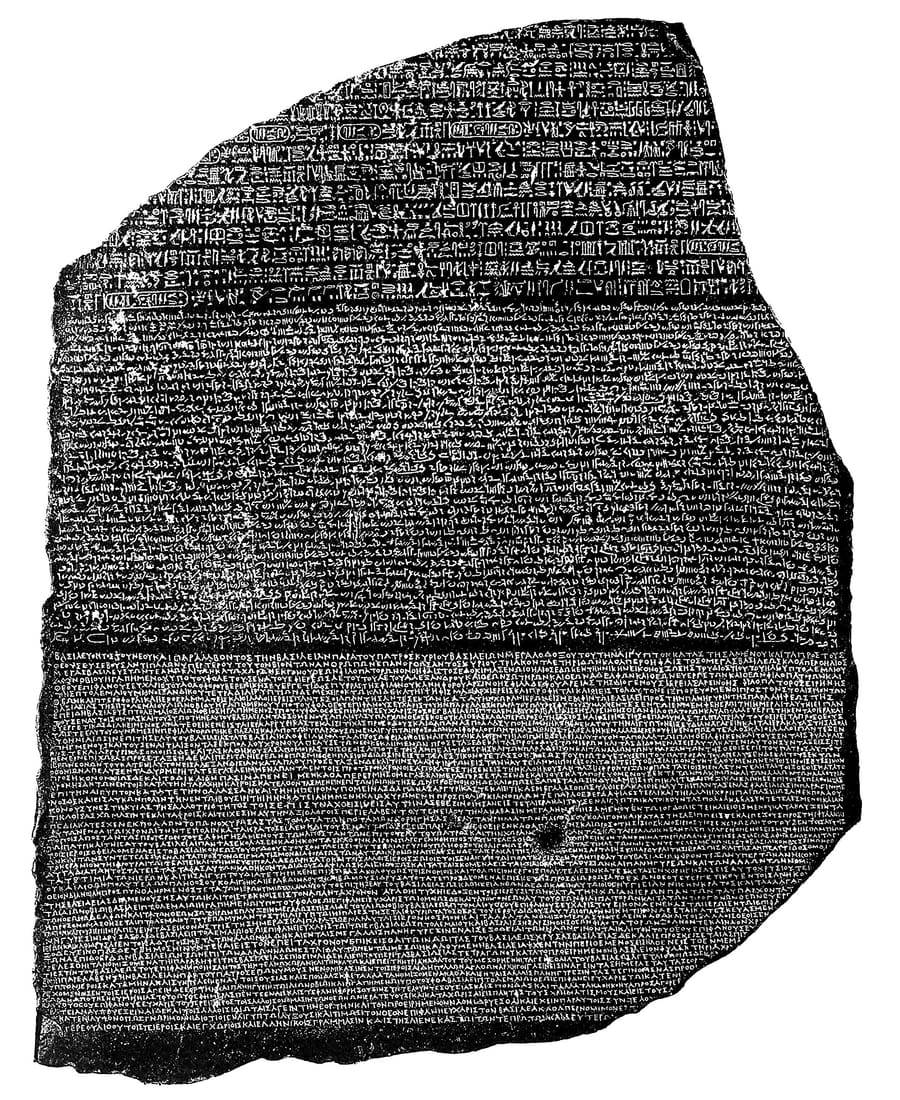
    The Rosetta Stone, one text carved in three scripts.
    The Rosetta Stone: one text, three scripts. Photo published in 1922.
  7. Computer Vision

    Machines that see: from CNNs to diffusion.

    10 lessons

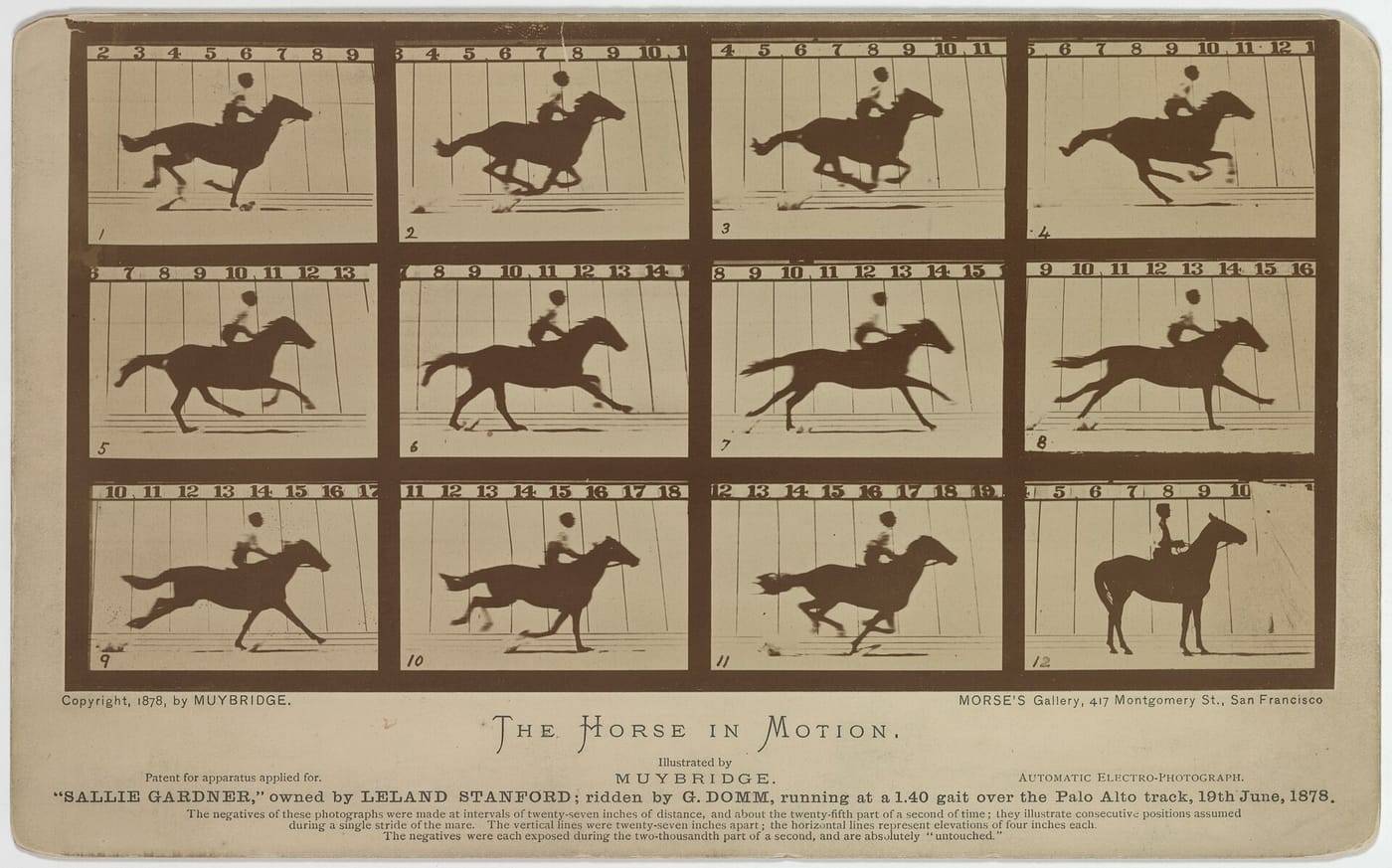
    Twelve frames of the horse Sallie Gardner, eleven of them at a gallop.
    Sallie Gardner galloping frame by frame, Eadweard Muybridge, 1878.
  8. Large Language Models

    Using, building and training large language models.

    23 lessons

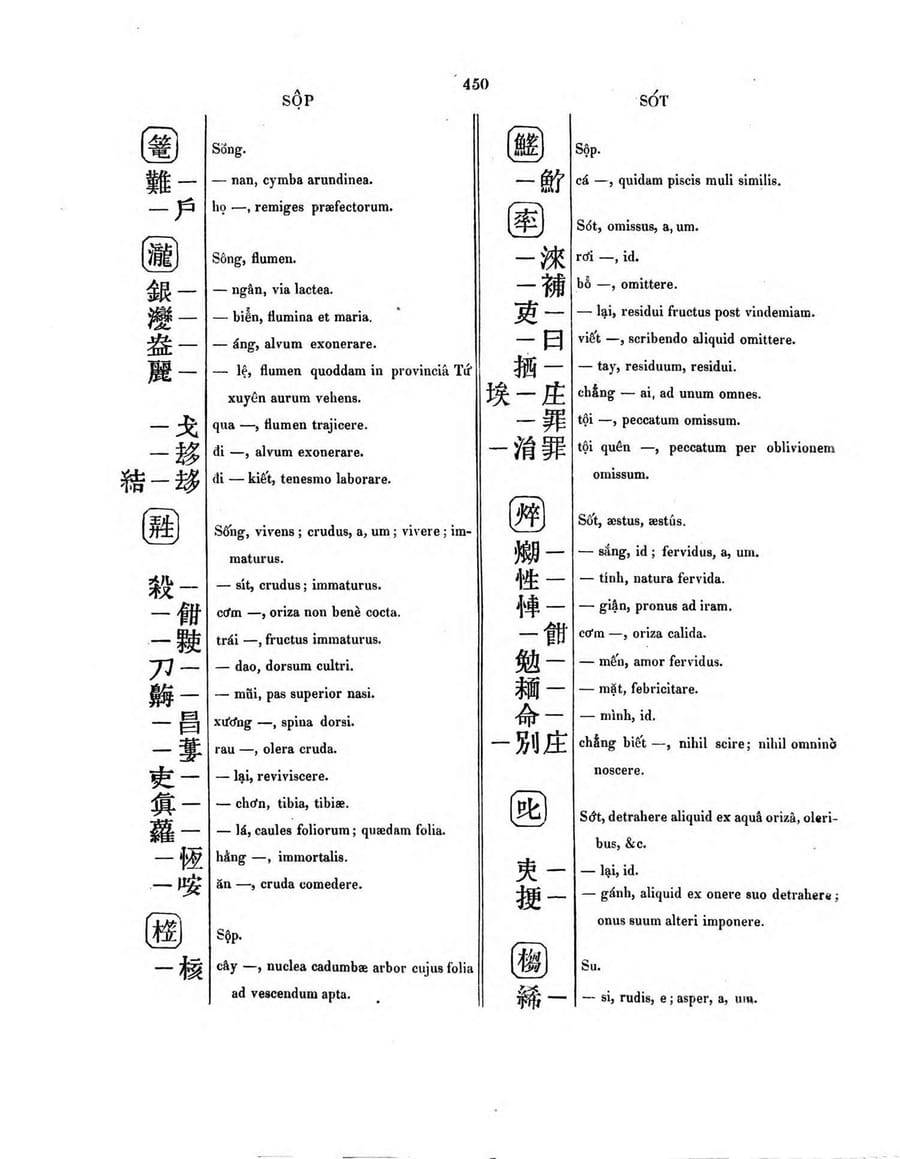
    A page of a Vietnamese–Latin dictionary: chữ Nôm characters, Vietnamese script and Latin.
    A Vietnamese–Latin dictionary, compiled by Pigneau de Béhaine, printed by Taberd in 1838.

All 78 lessons

Every lesson knows which lessons lead to it. Pick a destination to see the route.

Route to Linear Regression. Lessons on the way: 8. Parts: 3.

Python 4 → Math for AI 2 → Machine Learning 2

After Deep Learning, pick a branch

Natural Language Processing

13 lessons

Computer Vision

10 lessons

Large Language Models

23 lessons

Bold: open nowFaded: coming soon

Inside a lesson

Every lesson follows the same order: intuition first, then the theory, then example code.

From Python to Machine Learning, the code runs right on the page. This is a sketch of Linear Regression, the first lesson to open.

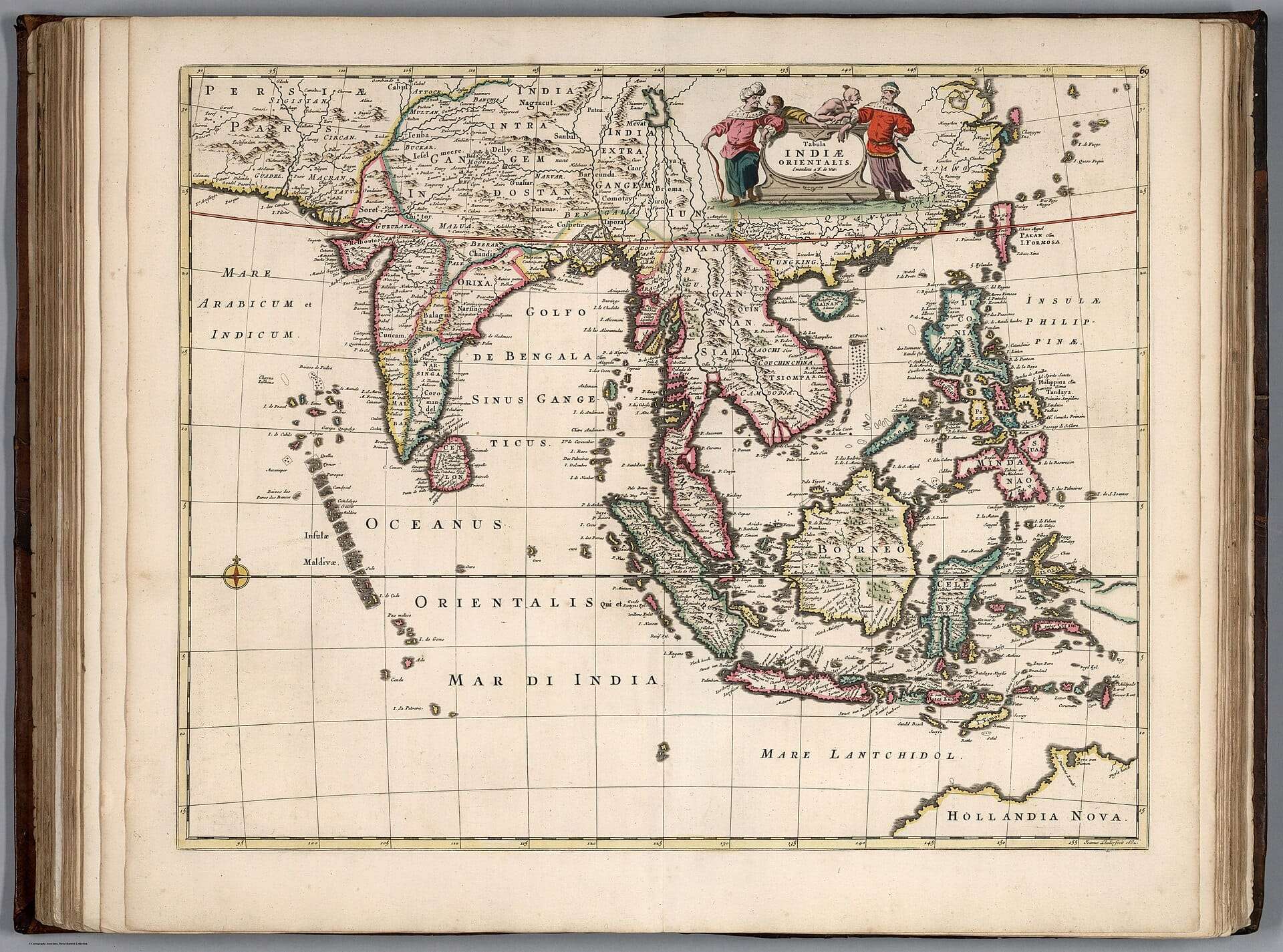
Tabula Indiae Orientalis, Frederick de Wit, c. 1682.

  1. Intuition

    Bigger houses tend to cost more.

    Draw one straight line close

    to every (size, price) point.

    That line guesses the price

    of a house not yet sold.

  2. Theory

    y^i=wxi+b\hat{y}_i = w x_i + b

    L=1m∑i=1m(y^i−yi)2\mathcal{L} = \frac{1}{m} \sum_{i=1}^{m} (\hat{y}_i - y_i)^2

    Find ww and bb

    that make L\mathcal{L} smallest.

  3. Code

    import numpy as np
    
    rng = np.random.default_rng(42)
    m = 50
    x = rng.uniform(0, 10, m)
    # true parameters: w = 3, b = 2, plus noise
    y = 3 * x + 2 + rng.normal(0, 1.5, m)
    
    w, b = np.polyfit(x, y, 1)
    loss = np.mean((w * x + b - y) ** 2)
    print(f"w = {w:.3f}")
    print(f"b = {b:.3f}")
    print(f"L = {loss:.3f}")
  4. Output

    w = 3.018
    b = 1.653
    L = 1.290

    The data came from w = 3, b = 2. Close, despite the noise.

  5. Quick check

    Every price doubles.

    What is the new ww?

    Answer: twice the old ww.

    The line gets twice as steep.

  6. Summary

    One line close to every point.

    "Close" is measured by L\mathcal{L}.

    Further reading: Galton (1886),

    the paper that named "regression".

One idea, two names

In the Vietnamese lessons, each term carries its English name the first time it appears, so English material feels familiar.

A painting of a purple Iris versicolor flower.
Iris versicolor, Curtis’s Botanical Magazine, 1787: one flower, a Latin name and a common name.
linear regression
hồi quy tuyến tính
loss function
hàm mất mát
learning rate
tốc độ học
weight
trọng số
bias
hệ số tự do
hyperparameter
siêu tham số
training set
tập huấn luyện
supervised learning
học có giám sát
clustering
phân cụm
neural network
mạng nơ-ron
backpropagation
lan truyền ngược
attention mechanism
cơ chế chú ý
tokenization
tách từ
large language model
mô hình ngôn ngữ lớn

Why AI Atlas exists

Hello,

AI Atlas began as a course syllabus for learning AI. I rearranged its sessions into one map, so anyone can see what to learn first, what comes next, and why.

Each lesson is written in Vietnamese first, then translated into English. Every code example is run, every source is real.

The site is free and needs no account. Your progress is kept in your own browser and sent nowhere.

The first lesson is now open: Introduction to Machine Learning. See you there.

LuffyrealsMaker of AI Atlas

Content under CC BY-NC-SA 4.0. Code under the MIT license.

Read the license